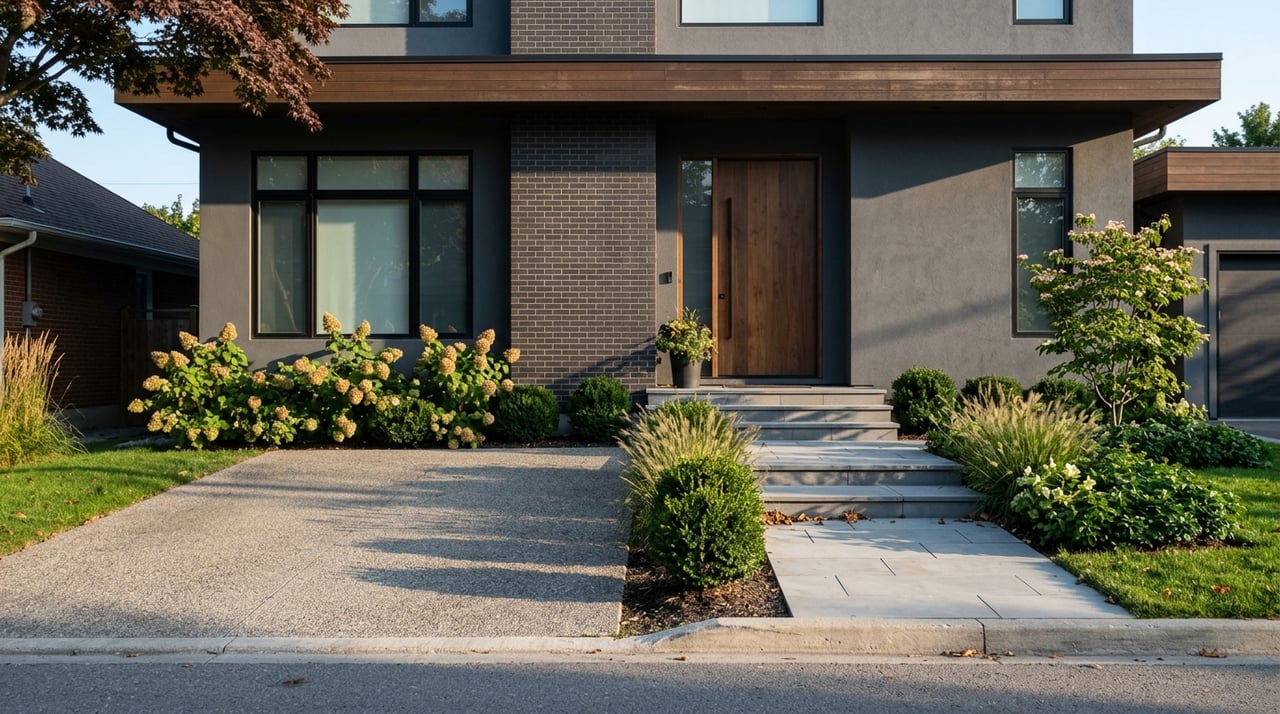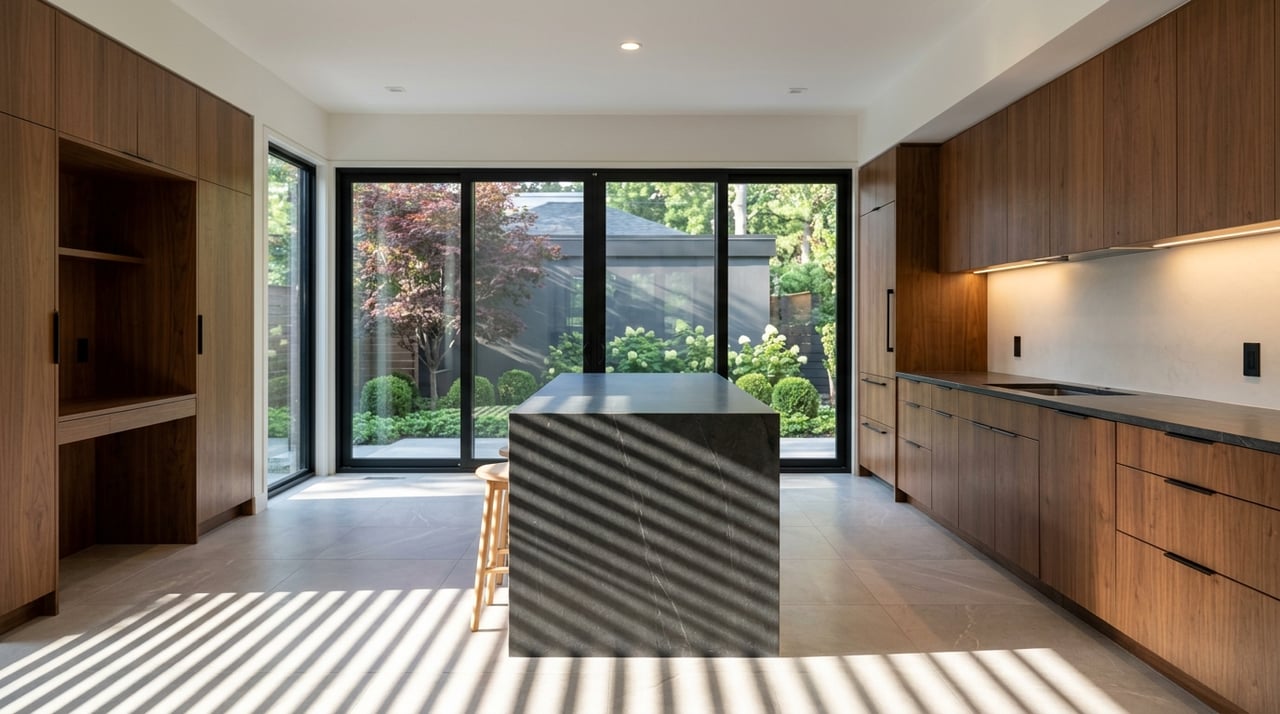
Thinking about selling in Closter and wondering what today’s buyers actually notice first? In a premium market, buyers are not just comparing price tags. They are looking closely at condition, layout, updates, and anything that could create stress during inspections or negotiations. If you plan to list in the next 6 to 12 months, knowing what matters now can help you make smarter prep decisions before your home hits the market. Let’s dive in.
Closter buyers expect more
Closter continues to sit in the premium tier of Bergen County real estate. Redfin reported a median sale price of $1.66 million over the three months ending May 2026, up 7.4% year over year, while Realtor.com showed a median listing price of $1.50 million as of April 2026.
Those numbers tell you something important. Buyers in this price range are often paying close attention to the full package, not just square footage or bedroom count. Presentation, upkeep, and overall confidence in the home can shape both interest and negotiating power.
There is also a useful reminder in the market timing data. Redfin showed a median of 107 days to sell, while Realtor.com showed 34 median days on market, reflecting different list-versus-sale methodologies. Even with that difference, the takeaway is the same: pricing alone is not enough in Closter.
Kitchens still lead the conversation
If you want to know where buyers tend to focus, start with the kitchen. It remains one of the most closely evaluated spaces in any home, and current preference data shows buyers are paying attention to both style and function.
In the AIA’s Q1 2025 survey, the most desirable kitchen feature was a butler’s pantry, working pantry, or prep pantry at 52%. Other popular features included outdoor kitchens at 37%, more natural light at 37%, wine refrigeration or storage at 33%, coffee bars at 31%, and an open connection to living space at 15%.
That does not mean you need a full gut renovation to compete. It means buyers are responding to kitchens that feel bright, useful, and easy to live in. If your kitchen is older, simple updates like paint, lighting, decluttering, and hardware may help it show better, especially if the space already functions well.
What to review in your kitchen
- Counter and cabinet condition
- Light levels and natural brightness
- Storage function and pantry use
- Appliance appearance and consistency
- Visual flow into nearby living areas
If buyers walk in and immediately understand how the kitchen supports daily life, you are in a stronger position.
Bathrooms need to feel clean and current
Bathrooms matter for the same reason kitchens do. Buyers often see them as a signal of overall upkeep, and they tend to notice dated finishes, worn surfaces, and poor lighting very quickly.
According to the AIA’s Q1 2025 survey, buyers were especially interested in doorless showers at 53%, stall showers without tubs at 46%, larger walk-in showers at 45%, spa-like design at 42%, universal design or adaptability at 34%, natural light at 32%, and radiant heated floors at 32%.
For most sellers, the practical lesson is not to overbuild. It is to make sure bathrooms feel fresh, simple, and well maintained. Re-caulking, deep cleaning, updated mirrors or light fixtures, and clean grout lines can go a long way.
Flex rooms and home offices still matter
Buyers are still looking for spaces that can adapt to how they live. A dedicated office, a quiet work nook, or a bonus room that can serve multiple purposes can add real appeal.
The AIA’s Q3 2025 survey found that home offices were the most popular special function room at 27%. Outdoor living spaces followed at 24%, then au pair or in-law suites or junior ADUs at 17%, and additional multifunction or flexible space at 11%.
The same survey also showed growing interest in open-space layouts, flexible floor plans, larger or multiple living spaces, and multiple offices or Zoom rooms. That is especially relevant if your home has a den, finished lower level, spare bedroom, or loft area that could be clearly positioned as useful flex space.
How to present flex space well
- Give the room one clear purpose when staging
- Keep furniture scaled to show usable floor area
- Add lighting if the room feels dark
- Remove excess storage or personal clutter
- Use simple décor so buyers can picture their own needs there
A flexible room only adds value if buyers can understand it quickly.
Buyers care about lower-maintenance living
Today’s buyers are also asking more questions about operating costs and upkeep. That includes energy efficiency, smart home systems, backup power, and practical features that reduce maintenance or improve comfort.
NAR reported in 2025 that sustainable features that reduce costs are influencing both home searches and remodeling decisions. It also noted that questions about energy efficiency are becoming more common as buyers look for lower heating, cooling, and commuting costs.
AIA’s Q3 2025 survey adds more detail. Buyers showed strong interest in EV charging or docking stations at 72%, backup power generation at 52%, low-maintenance materials at 48%, smart thermostats at 43%, energy-management systems at 39%, energy-efficient features at 36%, solar panels at 29%, improved indoor-air-quality features at 27%, and tankless water heaters at 27%.
You do not need every one of these features to attract attention. But if your home already has items like a smart thermostat, newer systems, low-maintenance exterior materials, or backup power, those details should be highlighted clearly in marketing and showings.
Condition can shape buyer confidence
In a high-end market, buyers often assume that major visible wear should have been addressed already. When they see deferred maintenance, clutter, poor lighting, or dated finishes, they may start to wonder what else has been overlooked.
That is one reason pre-listing preparation matters so much in Closter. A home does not need to be brand new, but it should feel cared for and easy to understand. Confidence is a major part of buyer psychology.
NAR’s 2025 Remodeling Impact Report found that Realtors most often recommended painting the entire home at 50%, painting a single room at 41%, and installing a new roof if needed at 37%. The same report found increased demand tied to kitchen upgrades at 48%, new roofing at 43%, and bathroom renovations at 35%.
It also found strong cost recovery for a steel front door at 100%, a closet renovation at 83%, and a fiberglass front door at 80%. That is a useful reminder that smaller, targeted improvements can sometimes deliver better results than large projects with long timelines.
Staging is still worth it
Staging is not just about making rooms look pretty. It helps buyers understand scale, purpose, and flow, and that can affect both speed and price.
In NAR’s 2025 staging report, 29% of agents said staging produced a 1% to 10% increase in the dollar value offered. Another 49% said staging reduced time on market, and 83% said staging made it easier for buyers to envision the home as their future home.
The most important rooms to stage were the living room at 37%, primary bedroom at 34%, and kitchen at 23%. The most common recommendations to sellers were decluttering at 91%, cleaning the entire home at 88%, and improving curb appeal at 77%.
Focus on these staging basics
- Declutter every room
- Deep clean the whole home
- Improve curb appeal
- Prioritize the living room, primary bedroom, and kitchen
- Make sure listing photos show the home clearly and brightly
Buyers’ agents also rated photos, physical staging, videos, and virtual tours as highly important. For a Closter seller, that means marketing presentation should support the quality of the home from the very first impression.
Inspections can change the deal
One of the smartest things you can do before listing is think like a buyer during inspection. In New Jersey, a home inspection is defined as a visual, functional, non-invasive inspection of readily accessible systems. The report must describe systems and components, material defects, their significance, and recommendations for repair, replacement, monitoring, or further evaluation.
The scope includes structural elements, exterior, roofing, plumbing, electrical, heating, cooling, interior, insulation, ventilation, fireplaces, and solid-fuel appliances. In simple terms, many issues that seem minor to a seller can become real negotiation points once they appear in writing.
That is why a pre-listing repair walk-through can be so valuable. If you identify likely trouble spots early, you have more control over timing, contractors, and cost. You also reduce the odds of a deal slowing down because of avoidable surprises.
Disclosures matter in New Jersey
Sellers in New Jersey also need to be ready for disclosure items that can affect buyer confidence and closing timelines. These are not details to scramble through at the last minute.
For homes built before 1978, known lead-based paint hazards must be disclosed before sale, and buyers have a 10-day period to conduct a lead inspection or risk assessment at their own expense. Flood-risk disclosure is also now part of New Jersey seller paperwork. Beginning March 20, 2024, sellers must disclose specific flood-risk information before the buyer becomes obligated under the purchase contract.
Radon can also come up during real estate transactions. If a home has been tested, the seller must provide the buyer with the test results and any mitigation evidence when the contract of sale is entered into. If a property has a potable private well, the Private Well Testing Act requires testing for up to 43 parameters, and Bergen County wells also require uranium testing under the state list.
Disclosure items to review early
- Year the home was built
- Any known lead-based paint information for pre-1978 homes
- Flood-hazard area status and known flood-risk history
- Prior radon test results and mitigation records
- Private well testing requirements, if applicable
The earlier you organize this information, the smoother your listing process can be.
What sellers should do next
If you are planning to sell in Closter, your best move is usually not doing everything. It is doing the right things in the right order.
Start with visible condition, functional updates, and any issue that could surface during inspection or disclosure review. Then focus on staging, photos, and clear marketing that highlights the features buyers are already prioritizing, like a practical kitchen, refreshed baths, flexible living space, and lower-maintenance systems.
In a premium market, buyers want value, but they also want certainty. The better your home looks, feels, and checks out, the stronger your position tends to be when offers and negotiations begin.
If you want practical guidance on how to prepare your home for today’s Closter buyers, Joseph Aziz Real Estate can help you build a smart, inspection-aware plan before you list.
FAQs
What do buyers look for in Closter homes right now?
- Buyers in Closter are paying close attention to kitchen function, updated bathrooms, flexible office or bonus space, lower-maintenance features, energy-conscious upgrades, and overall condition.
How important is staging for a Closter home sale?
- Staging can help buyers picture themselves in the home, and NAR reported that it often reduces time on market and can improve the dollar value offered.
Which rooms matter most when preparing a home to sell in Closter?
- The living room, primary bedroom, and kitchen are especially important to stage well, and buyers also tend to focus heavily on bathrooms and any space that can work as a home office or flex room.
Should Closter sellers make repairs before listing?
- It is often wise to address visible maintenance issues and likely inspection concerns before listing, since New Jersey inspections can cover structural, roofing, plumbing, electrical, heating, cooling, interior, and other accessible systems.
What New Jersey disclosures should Closter sellers review early?
- Sellers should review lead-based paint disclosure for older homes, flood-risk disclosure, any prior radon test results, and private well testing requirements if the property has a potable private well.